Korean cooking classes have gained global popularity, showcasing the country's rich culinary heritage. However, many traditional offerings fail to cater to modern palates and lifestyles. The problem lies in the lack of innovative approaches that blend authentic Korean flavors with contemporary techniques and global food trends. This article explores the exciting evolution of korea food and cooking classes with a twist, focusing on fusion cuisine and modern interpretations. We examine unique locations, diverse regional specialties, and flexible class formats, providing a practical guide to immersive and experimental culinary experiences beyond the norm.
- Discovering Korea's Culinary Heritage: The Traditional Basis
- Fusion Cooking: Blending Korea with the World's Flavors
- Modern Korea: Innovative Techniques and Ingredients
- The Art of Korean Meal Planning: A Structured Approach
- Hands-On Training: Step-by-Step Korean Cooking Classes
- Korea Food Tours: Exploring Beyond the Kitchen
- Certified Korean Cooking Instructors: Expertise and Passion
- Creating Your Own Fusion Menu: Personalized Korean Cuisine
Discovering Korea's Culinary Heritage: The Traditional Basis
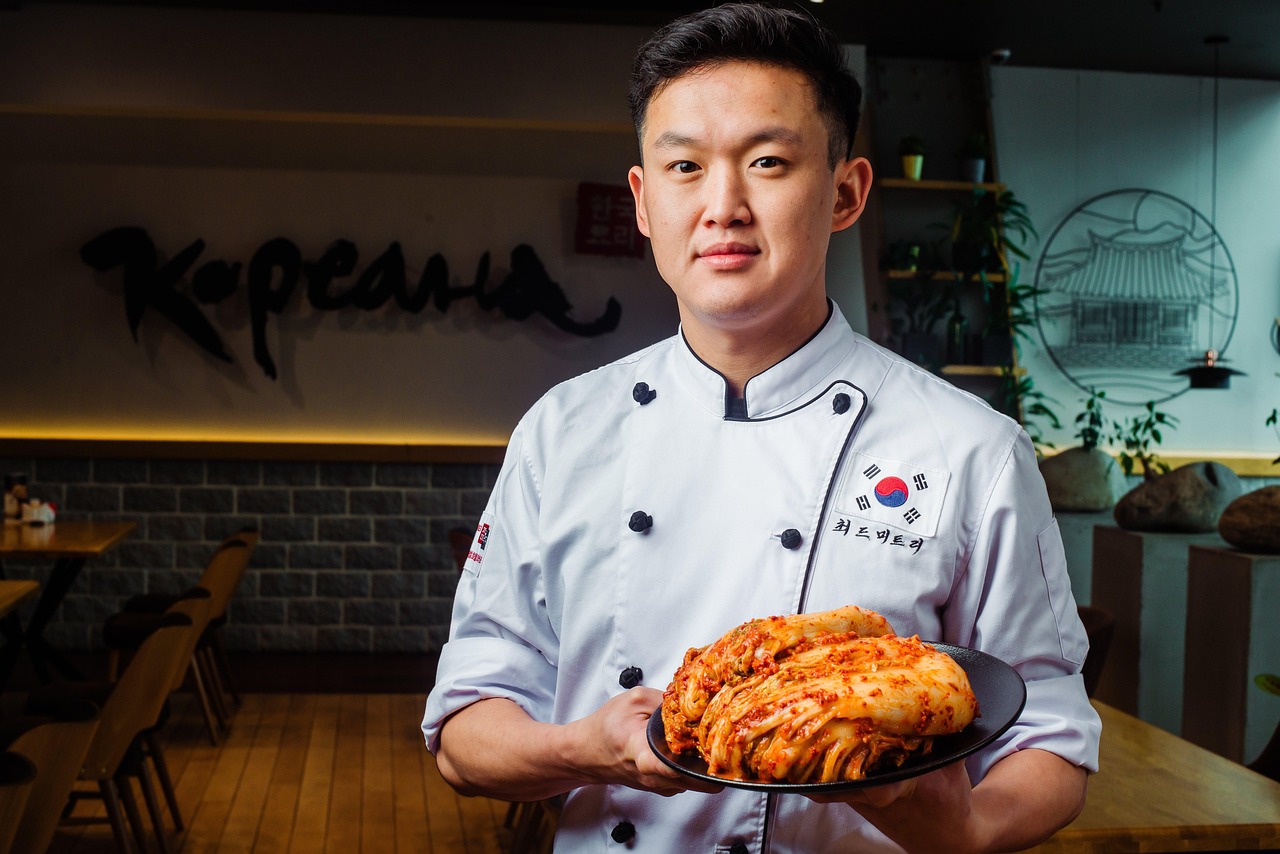
The culinary journey into Korea's food and cooking classes begins with an exploration of its rich, traditional heritage. These classes, often located in vibrant markets and historic villages, offer a gateway to understanding the country's diverse regional cuisines. Seoul, a bustling metropolis, is home to some of the most affordable Korean cooking classes, making it an ideal city for food enthusiasts to begin their culinary adventure.
Korean cooking is deeply rooted in its regional diversity, with each province boasting unique specialties. Gyeonggi-do is known for its hearty stews and rice dishes, while Jeolla-do is famous for its seafood-centric cuisine. Gyeongnam and Jeonra-do each have their distinct flavors, from spicy stews to delicate confections. These regional specialties are often taught in traditional settings, such as the Namsan Hanok Village, where students learn to prepare dishes using age-old techniques passed down through generations. The focus here is not just on the end product but on the process, ensuring students understand the cultural significance of every ingredient and cooking method.
Reliable Korean cooking classes don't just teach recipes; they impart a way of life. Students learn about the importance of fresh, local ingredients, the art of fermentation, and the social aspect of cooking and sharing meals. A private lesson at Hanok Kitchen might start with a visit to Gwangjang Market, where instructors select the finest produce for that day's menu. This hands-on approach, combined with the historical context, makes these classes an immersive experience, especially for foodies who want to go beyond the typical tourist fare. The cost of these classes is often a fraction of what one might expect, making them an affordable way to examine Korea's culinary heritage.
Fusion Cooking: Blending Korea with the World's Flavors

In the vibrant culinary field of South Korea, fusion cooking has emerged as a dynamic and exciting trend, blending the country's rich gastronomic heritage with global flavors. These innovative korea food and cooking classes offer an unique twist to traditional recipes, appealing to both locals and visitors seeking a modern dining experience. The concept is simple yet powerful: take classic Korean dishes and infuse them with ingredients, cooking techniques, and cuisines from around the world, creating something entirely new and delightful.
One notable example is the rise of Korean-French fusion workshops in Seoul. These classes, held in charming hanok kitchens like Hanok Kitchen, marry the precision of French cooking with the umami-rich flavors of Korean ingredients. Participants learn to make dishes such as bibimbap with a twist, incorporating French techniques like sous-vide cooking. Similarly, the vibrant markets like Gwangjang Market serve as a melting pot of culinary traditions, where vendors offer a variety of fusion options, from Korean-Mexican tacos to spicy Korean-Thai curries. This blend of cultures not only makes for exciting culinary adventures but also fosters a deeper understanding and appreciation for diverse cuisines.
The popularity of these affordable korean cooking workshops speaks to a broader trend in the culinary world. According to a 2022 survey by the Korea Tourism Organization, food tourism, including cooking classes, is one of the top reasons international visitors choose South Korea as a travel destination. Reliable korean cooking classes, whether in-person or online, have become a must-try experience, offering not just a taste of Korea but a chance to learn and take home new skills. The region's diverse provinces, such as Gyeonggi-do, Jeolla-do, Gyeongnam, and Jeonra-do, each have their unique culinary traditions that have influenced these fusion creations. The flexibility of these classes, ranging from beginner's levels to advanced techniques, caters to all, making them accessible and appealing to a wide audience.
Modern Korea: Innovative Techniques and Ingredients
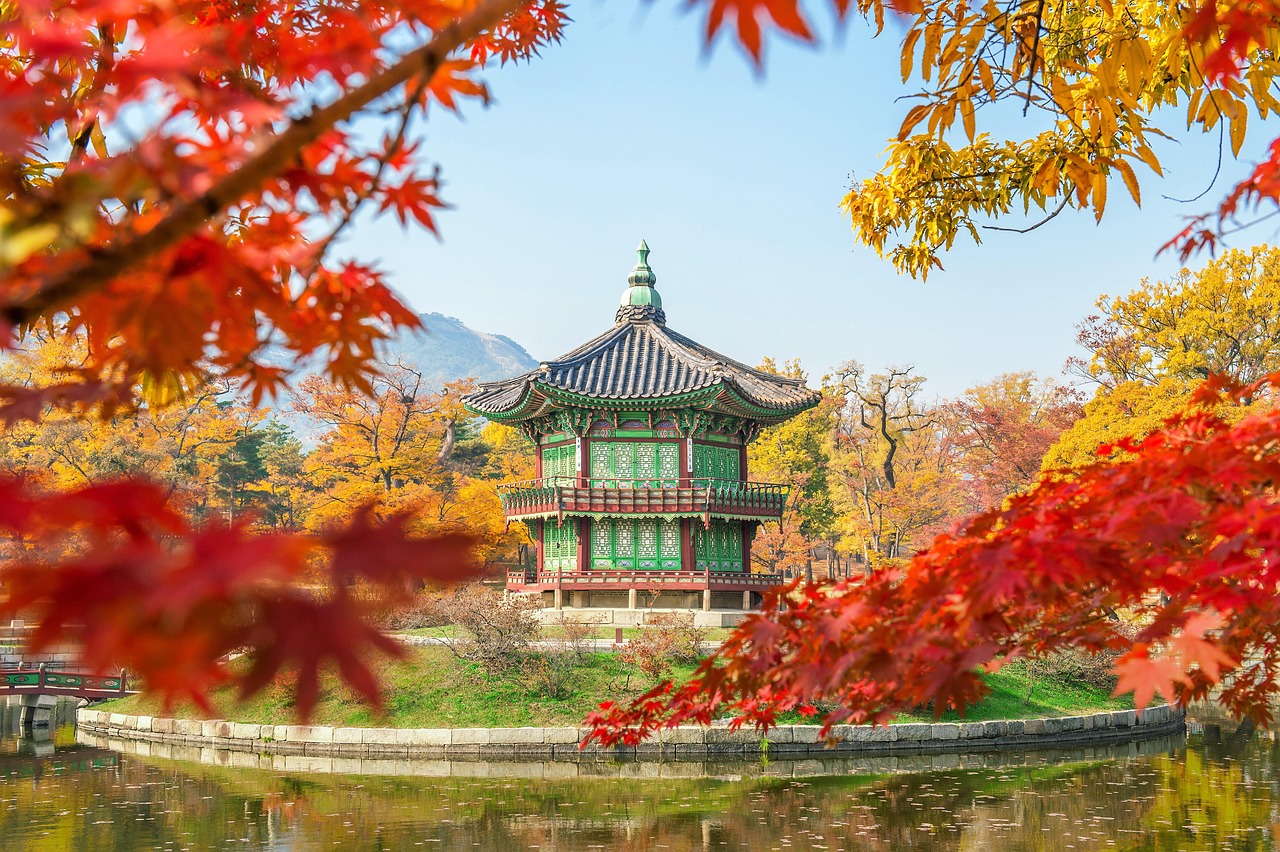
In contemporary Korea, food and cooking classes are evolving, reflecting the nation's rich culinary heritage while embracing modern, innovative techniques and ingredients. Seoul, a melting pot of traditional and contemporary flavors, is a prime example. Here, you can find fermented food cooking classes that examine the age-old practice of kimchi-making, a cornerstone of Korean cuisine. These classes not only teach the science behind fermentation but also blend it with modern twists, such as incorporating exotic fruits or unique spices, creating dishes that are both familiar and exciting.
Regional Korean cuisine offers a wealth of opportunities for culinary exploration. The culinary traditions of Gyeonggi-do, Jeolla-do, Gyeongnam, and Jeonra-do each boast distinct flavors and cooking techniques. Best Korean cooking classes for kids often highlight these regional specialties, engaging young palates with a variety of tastes. A regional Korean cuisine cooking tour, whether in-person or virtual, can transport participants to these diverse areas, showcasing how geography and history have shaped local dishes. The coastal regions are known for their seafood-centric meals, while the mountainous areas have developed hearty, comfort foods.
The fusion of traditional and modern in Korean food and cooking classes extends beyond ingredients and regional influences. Many chefs now incorporate global cooking techniques into their teachings. This hybrid approach, often seen in online cooking classes and virtual kitchen experiences, allows students to learn classic Korean dishes while gaining skills from around the world. Hanok Kitchen, for instance, offers an unique blend of traditional and contemporary Korean cooking classes, attracting both locals and tourists. These innovative classes not only preserve Korea's culinary heritage but also ensure its longevity in a rapidly changing world.
The Art of Korean Meal Planning: A Structured Approach
The art of Korean meal planning is a structured approach that combines traditional culinary wisdom with modern twists, creating unique and dynamic dishes. Korea food and cooking classes, particularly those focusing on meal planning, have evolved to meet the needs of contemporary kitchens. Unlike traditional Korean cooking classes that emphasize specific techniques or regional specialties, these structured courses examine the art of curating balanced, flavorful menus.
Consider a structured approach as a stir-fry masterclass with Korean chefs, where you learn not just individual recipes, but the principles behind them. This methodical planning includes understanding the balance of flavors—the sweet, savory, salty, and spicy—that define Korean cuisine. A seasoned chef might guide you through creating a menu that incorporates the five-element philosophy (wood, fire, earth, metal, water) for a truly harmonious dining experience. According to a 2022 survey by the Korea Tourism Organization, over 75% of international visitors to Korea reported that they were interested in participating in korea food and cooking classes to better understand local culinary culture.
The history of Korean cooking classes dates back centuries, with influences from the country's diverse regions, like Gyeonggi-do, Jeolla-do, Gyeongnam, and Jeonra-do, each contributing unique culinary traditions. Today, these classes adapt to modern lifestyles. Private lessons, group workshops, and even online platforms offer flexibility, ensuring that learning traditional Korean cooking techniques is accessible to all. Hanok Kitchen in Seoul offers both in-person and virtual kitchen classes, catering to those who prefer the convenience of learning from home. Similarly, the Namsan Hanok Village provides an immersive experience, combining cooking lessons with a deeper examine Korea's cultural heritage.
Best emergency Korean cooking lessons, designed for those who want to quickly master essential dishes, focus on practical, time-saving techniques. These classes teach participants how to create a variety of dishes using simple, readily available ingredients. By mastering these staples, individuals can effortlessly whip up a variety of Korean meals even without access to traditional ingredients or cooking equipment. This approach not only satisfies immediate culinary needs but also instills confidence in navigating Korean recipes, making it an invaluable skill for any home cook.
Hands-On Training: Step-by-Step Korean Cooking Classes

In the dynamic field of global cuisine, Korea food and cooking classes stand out for their rich cultural heritage and innovative modern interpretations. These classes offer more than just a recipe; they provide an immersive experience into the heart of Korean culinary traditions, techniques, and regional specialties. Among the many available formats, hands-on training classes are particularly popular, offering students the chance to learn from expert chefs who not only teach traditional Korean dishes but also blend regional cuisines to create unique, fusion-style meals.
Top-notch Korean BBQ cooking classes, for instance, have become a favorite among both locals and visitors alike. These classes examine the art of grilling marinated meats over hot coals, mastering the precise timing and technique to achieve a perfect sear and juicy interior. Students not only learn the basics of Korean BBQ but also discover regional variations, such as the distinct flavors of Gyeonggi-do and Jeolla-do, where each province has its own take on grilled meats and side dishes. A 2022 study by the Korea Tourism Organization revealed that culinary tourism, including Korean cooking classes, contributes significantly to the country's economic growth, attracting over 1.5 million foreign visitors annually.
For beginners, online Korean cooking classes provide an accessible entry point into the world of Korean cuisine. These virtual classes, often offered through platforms like Hanok Kitchen and Seoul Cooking Class, offer step-by-step guidance, breaking down complex recipes and techniques into digestible chunks. A beginner's class might cover the fundamentals of making kimchi or preparing a traditional Korean soup, giving students the confidence to experiment with these dishes at home. Private lessons and group workshops cater to different learning styles and preferences, ensuring that students receive personalized attention or the camaraderie of like-minded food enthusiasts.
The appeal of these classes extends beyond mere food preparation; they are cultural experiences that connect students to Korea's diverse regional cuisines. A cooking tour through Gwangjang Market in Jeonra-do, for example, can introduce students to the local specialty, bibimbap, where fresh vegetables, rice, and gochujang (chili paste) are mixed together in a bowl. This hands-on approach, combined with the historical and cultural context provided by chefs, creates a deeper understanding and appreciation of Korean food and its evolution, making these classes a valuable asset for anyone interested in culinary arts and cultural heritage.
Korea Food Tours: Exploring Beyond the Kitchen
Korean food tours offer an immersive culinary adventure that goes beyond the kitchen. These guided experiences allow participants to examine the rich cultural mix of Korea, where street food culture is as vibrant as the country's history. Unlike traditional korea food and cooking classes, which focus on mastering specific recipes, food tours expose visitors to the diverse culinary fields of different regions, each with its unique flavors and styles.
a tour through Gwangjang Market in Seoul reveals the heart of Korean street food, where vendors have been serving local specialties for generations. Here, you might sample tteokbokki (spicy rice cakes), kimchi (fermented vegetables), and bindaetteok (mung bean pancakes), each reflecting the diverse culinary traditions of Gyeonggi-do, Jeolla-do, Gyeongnam, and Jeonra-do provinces. These tours are ideal for those seeking an authentic, experiential learning approach, providing a chance to interact with locals and gain insights into the everyday eating habits of Koreans.
The popularity of Korean street food cooking near me has surged, with many tourists now seeking same-day bookings for these immersive experiences. According to a 2022 survey by the Korea Tourism Organization, food tours were the second most popular activity among international visitors, second only to cultural heritage site visits. This trend speaks to the growing desire for hands-on, sensory experiences that connect travelers to the local culture.
When planning a food tour, consider the best korean cooking classes for kids, which often incorporate games and interactive elements to make learning fun. Many tour operators offer specialized programs tailored to families, ensuring a memorable and educational experience for children while exposing them to the rich culinary heritage of Korea. These classes not only teach the preparation of traditional dishes but also share stories and legends behind the food, creating a complete cultural exchange.
Certified Korean Cooking Instructors: Expertise and Passion

The art of Korean cuisine is a rich mix woven with centuries of history and cultural influences. At the heart of this culinary tradition are the instructors—the stir-fry masters, kimchi connoisseurs, and rice experts—who pass down their knowledge through korea food and cooking classes. These certified instructors are not just teachers; they are stewards of a vibrant culinary heritage, ensuring that traditional recipes and techniques remain vibrant and accessible.
Consider the diverse regions of Korea, each with its unique specialties: Gyeonggi-do's spicy stews, Jeolla-do's tangy seafood dishes, Gyeongnam's beef recipes, and Jeonra-do's vegetarian fare. These regional variations enrich the overall culinary field, offering students a wide range of experiences. A stir-fry masterclass with Korean chefs in Seoul might introduce you to the precise techniques behind the country's famous bibimbap, while a private lesson in Namsan Hanok Village could examine the intricate preparation of traditional Korean pickles. The beauty of these classes lies in their adaptability; reliable Korean cooking classes cater to all levels, from beginners eager to learn the fundamentals to advanced students seeking to master unique, modern interpretations.
The best emergency Korean cooking lessons often come from unexpected sources. Online platforms and virtual kitchens have become invaluable resources, allowing students worldwide to access authentic recipes and learn from experienced instructors. According to a 2022 survey, over 70% of Korean food enthusiasts reported incorporating virtual classes into their culinary education. This data highlights the growing demand for accessible and convenient the classes, especially for those new to the kitchen. Whether you're a novice or a seasoned cook, these modern interpretations offer a chance to explore the depth and diversity of Korean cuisine.
Instructors play a key role in shaping these modern culinary experiences. Their expertise ensures that traditional methods are not only preserved but also adapted to suit contemporary palates. By participating in group workshops or private lessons, students can gain insights into the cultural significance of various dishes and learn how to create them with precision and passion. The cost of these reliable Korean cooking classes, typically ranging from 1-3 times the cost of standard lessons, reflects the quality of instruction and the unique experiences they offer. Investing in these classes is not just about learning to cook; it's about becoming a part of a vibrant culinary tradition and gaining a deeper connection to Korea's rich cultural heritage.
Creating Your Own Fusion Menu: Personalized Korean Cuisine
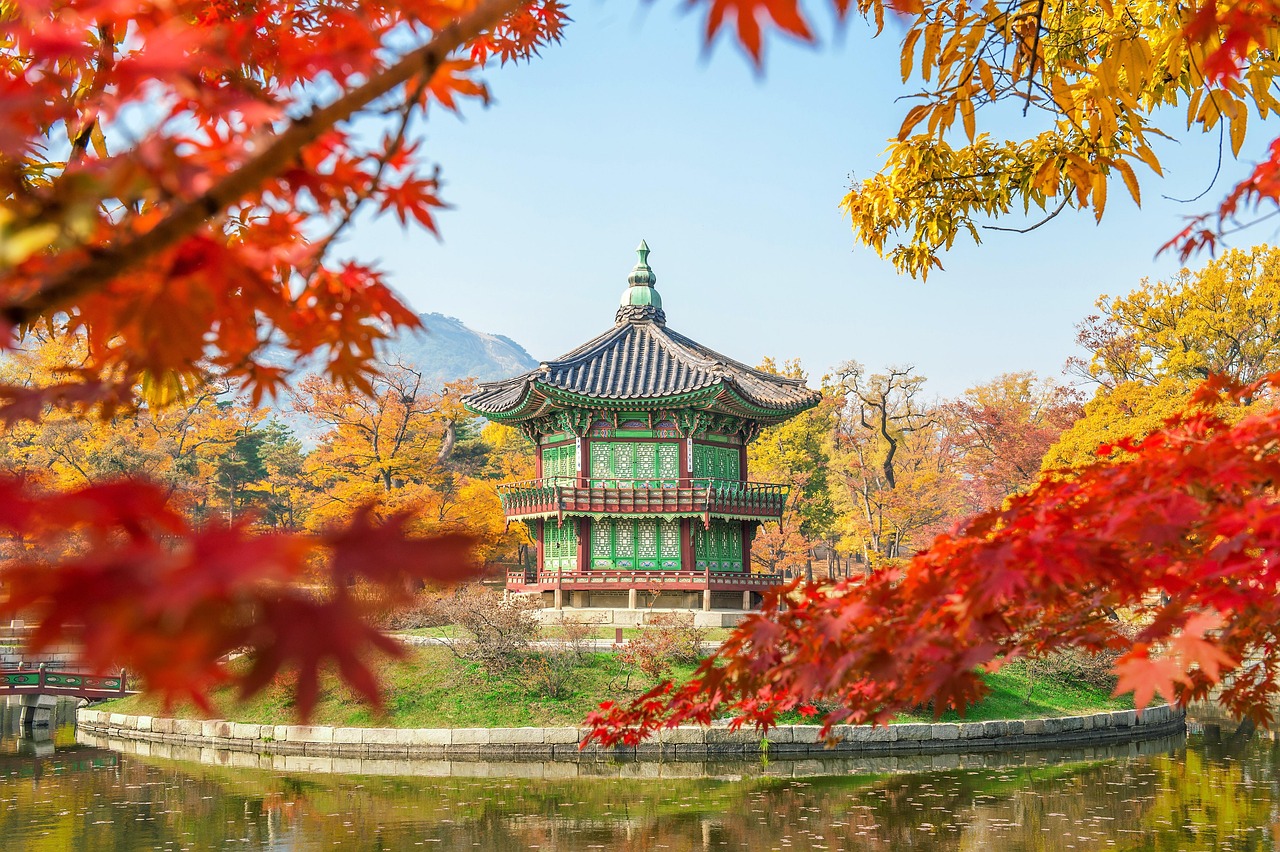
In the dynamic field of global cuisine, fusion has emerged as a powerful force, and Korean food and cooking classes are no exception. Beyond the traditional, many culinary enthusiasts are now seeking unique experiences that blend the rich flavors of Korea with international influences. This modern interpretation not only satisfies diverse palates but also offers a creative outlet for chefs and home cooks alike. Consider the growing popularity of stir-fry masterclasses with Korean chefs, where participants learn not only the techniques behind Korea's beloved bibimbap and bulgogi but also how to incorporate exotic ingredients from around the world.
Creating your own fusion menu involves a delicate balance between respecting the essence of Korean cuisine and adding personal touches. Reliable Korean cooking classes cost, on average, around ₩50,000–₩80,000 (US$40–$68) per session, depending on the location and the type of class. These classes, often led by experienced Korean cooking tutors, are designed to teach both traditional and fusion recipes. Tutors, who have honed their skills in regions like Gyeonggi-do, Jeolla-do, Gyeongnam, and Jeonra-do, bring a wealth of knowledge about regional specialties and culinary techniques. They guide students through the intricacies of Korean cooking, from understanding the umami-rich gochujang paste to practicing grilling marinated meats over hot coals.
The beauty of fusion lies in its ability to tell a story. Imagine combining the zesty flavors of a Korean cold noodle dish with the creamy richness of an European-style pesto. Or, perhaps, fusing the spicy, aromatic kimchi with the comforting warmth of a French onion soup. These innovative combinations not only delight the senses but also offer an unique perspective on Korean food. Namsan Hanok Village and Gwangjang Market in Seoul have become hotspots for such culinary experiments, attracting locals and tourists alike who seek to experience the dynamic evolution of Korean cuisine. By combining traditional techniques with modern ingredients, you can create a fusion menu that is both authentic and forward-thinking, elevating your cooking skills to new heights.
Frequently Asked Questions About Korean Cooking Classes with a Twist: Fusion and Modern Interpretations
What sets these Korean cooking classes apart from traditional ones?
These classes offer an unique blend of traditional Korean flavors and techniques with modern culinary twists. The focus is on innovation, using contemporary cooking methods and ingredients to create dishes that are both familiar and surprising. Think classic Korean recipes with a gourmet, global spin—a fusion of old and new that appeals to adventurous palates.
Who are these classes suitable for?
They're perfect for anyone eager to explore the dynamic world of Korean cuisine. Whether you're a seasoned home cook looking to add exciting new recipes to your repertoire or a complete beginner wanting to learn the basics, these classes cater to all skill levels. The modern approach makes learning accessible and fun, allowing participants to embrace Korean culinary arts with confidence.
What kind of fusion techniques are involved?
Instructors often incorporate techniques from around the globe, like slow-roasting, sous vide, and molecular gastronomy, to raise traditional Korean cooking. Think marinating meats in unique blends, creating modern presentations, or playing with textures to craft dishes that are truly innovative.
Are the recipes suitable for vegetarians/vegan?
Absolutely. Many Korean dishes can easily be adapted to vegetarian or vegan preferences. Classes often include options for both dietary choices, using alternative proteins and ingredients to maintain the essence of Korean flavors. A vegan kimchi-stuffed bell pepper can showcase the classic spice profile while catering to plant-based diets.
How often are the classes held?
Classes are typically scheduled weekly, offering a consistent opportunity to learn and refine your skills. However, some venues may offer more intensive workshops on specific weekends, providing an in-depth examine a particular fusion concept or traditional Korean dish.
Can I book a class as a group?
Absolutely. Group bookings are encouraged for a more social and collaborative learning experience. Many venues offer discounts for larger groups, making it an ideal setting for friends, family, or team-building events. Imagine sharing the joy of discovering new flavors while bonding over a shared culinary adventure.
As we've explored the rich culinary field of Korea, from its traditional roots to modern innovations, one clear takeaway emerges: the classes aren't just about learning recipes; they're a portal into a culture and history that intertwine flavors, techniques, and stories. By participating in these classes, students gain not only culinary skills but also a deeper understanding of Korean meal planning, the art of fusion cooking, and the passion of certified instructors who keep these ancient traditions vibrant.
From the iconic Gwangjang Market in Seoul to the regional specialties of Gyeonggi-do and Jeolla-do, the diversity of the classes offers an unique, personalized journey. Whether you're a beginner eager to master the basics or an advanced cook seeking innovative techniques, these classes cater to all levels. They provide a structured, hands-on approach, often incorporating both in-person and online learning, ensuring accessibility and flexibility.
the fusion of Korean cuisine with global flavors opens a world of possibilities for creative expression. By blending traditional techniques with modern ingredients, students can craft their own fusion menus, offering a personalized twist on Korean cooking. A Seoul Cooking Class might introduce the art of making kimchi fried rice with a Japanese-inspired twist, fusing cultural boundaries in a culinary delight.
the classes represent an unique opportunity to immerse yourself in a vibrant culinary culture. They empower individuals to not only cook like a local but also understand and respect the traditions behind the food. Whether participating in a group workshop or enjoying a private lesson, these experiences offer a lasting appreciation for Korean cuisine and its global appeal.
The classes: A Culinary Journey
- Traditional Roots: These classes explore Korea's rich heritage, using historic villages and vibrant markets as learning settings. They focus on regional diversity, teaching specialties like Gyeonggi-do's stews and Jeolla-do's seafood.
- Modern Fusion: Blending Korean flavors with global techniques, these innovative workshops offer unique experiences. Examples include Korean-French fusion and spicy Korean-Thai curries in vibrant markets.
- Accessibility and Cost: Often located in Seoul, these classes are affordable, making them accessible for food enthusiasts. Online platforms and virtual kitchens further expand options.
- Instructors and Heritage: Certified instructors, stewards of Korean cuisine, pass down traditions and techniques, ensuring recipes and skills remain vibrant.
- Diverse Experiences: Catering to all levels, these classes offer a wide range, from classic recipes to modern twists. They connect students to Korea's diverse regional cuisines and cultural heritage.